

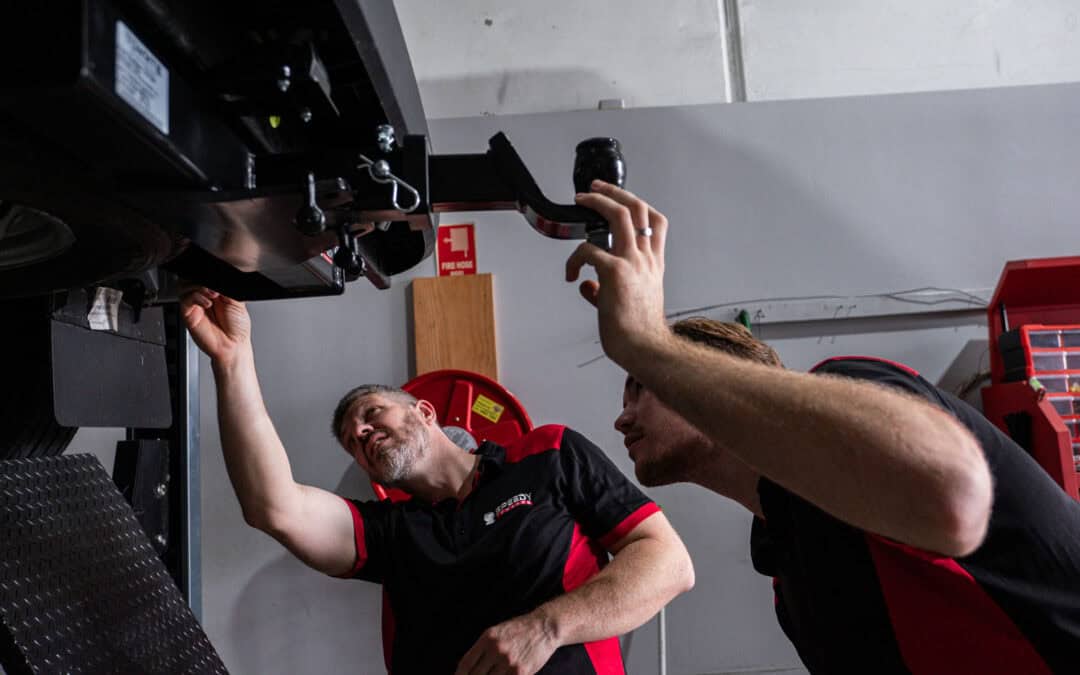

Any Queensland road trip during the holiday season will tell you one thing: in this part of the world, we love to tow! There’ll be hundreds of cars on the road towing caravans, campers, boats, trailers, jetskis… you name it.
If you want to be connected to the adventure that is towing, Speedy Towbars is here to make it happen. Before you upgrade your vehicle with one of our premium quality towbars, it’s good to get a grip on the safety aspects of this great Australian pursuit.
Safety is paramount to us at Speedy. We want you to enjoy your time on the road and the adventure with your family, and to do that you need to have confidence in your setup. When you tow, you add an extra level of complexity to your driving experience, which you want to navigate as securely as possible.
In this safe towing guide, we go over some essential tips that will help ensure a smooth and secure experience every time you hit the road. Let’s dive in.
1. Know Your Vehicle’s Towing Capacity
Your vehicle, if rated, will have an approved maximum towing capacity. Before you connect your trailer, you need to check what yours is, and whether it can cope with the load you’re about to attach. Exceeding the towing capacity is illegal and can lead to dangerous situations. You can check your vehicle towing capacity in the owner’s manual, or the manufacturer’s specifications on their website.
It’s important to note that your vehicle towing capacity and the capacity of your towbar can be different. Always use the lower value!
Here are some key terms to understand when it comes to towing capacity:
-
- Braked Towing Capacity: The maximum weight your vehicle can tow with a trailer that has its own braking system. you can learn about the different kinds of braking systems here.
- Unbraked Towing Capacity: The maximum weight your vehicle can tow without trailer brakes.
- Tow Ball Download: The load directly pushing down on the towball. This is normally around 10% of the trailer’s weight.
- Gross Trailer Mass (GTM): The total weight of the trailer measured on the axle/s when fully loaded and hitched to the vehicle.
- Gross Vehicle Mass (GVM): The maximum weight your vehicle can weigh including cargo, passengers, fuel and any accessories on the vehicle. When towing you must add the ballweight of your trailer into your vehicle’s GVM as well.
- Gross Combined Mass (GCM): The total weight of your tow vehicle and trailer including passengers, fuel, cargo and accessories. This is calculated by adding the Weight of your vehicle (loaded) and the Weight of your Trailer (loaded) – Remember to include your ballweight of you trailer into the GVM of your vehicle when calculating.
Note: GVM, GTM and GCM must all be considered when towing. You cannot be above any of these limits. For most vehicles GVM+GTM = more than GCM.
2. Invest in the Right Towbar & Accessories
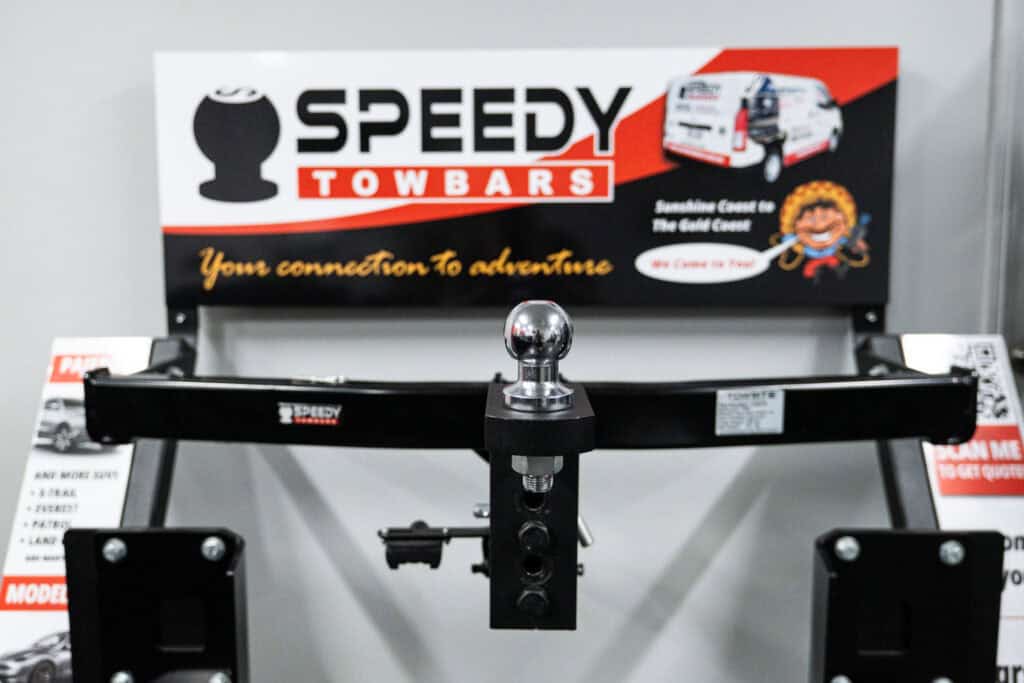
The quality of your towbar makes a huge difference when it comes to safety. You don’t want to rely on anything but the best, and that means ADR-compliant towbars for optimal safety and performance. That’s what you can expect from Speedy!
Let’s take a look at the type of towbars you can invest in:
- Class 2 Fixed Towbars: A permanent attachment (removable by bolts), only available for some vehicles. Has a maximum capacity of 1600kg.
- Class 4 Heavy-Duty Towbars: Best for constant towing. They’re removable via a pin and clip, and are generally rated to the max vehicle towing capacity.
- Euro Towbars: These are designed to complement the aesthetic of your vehicle, so are usually well hidden and have the tongue removed. They have a high towing capacity, but a limited ball weight capacity.
There are a bunch of additional accessories to make your towing life safer, with some being a legal requirement. They include:
- Brake controllers are necessary for trailers with a GTM of more than 750kg.
- Extended Tow mirrors are required if your trailer is wider than your vehicle and over 16ft Long. The law states you must have a clear view of beside and behind the trailer.
- Weight distribution hitches redistribute trailer weight evenly over both axles. This increases steering, braking and control.
- Anderson Plugs and 12 pin plugs for charging and running 12v Accessories in your trailer.
3. Ensure Proper Weight Distribution
Loading your trailer correctly is extremely important. If you don’t, you’ll get instability, swaying and dangerous handling. We recommend you place heavy items over the axle and secure them so they don’t shift around. Try and pack everything nice and evenly, so there is equal distribution of the weight around your trailer. This will prevent it from tilting to one side. Don’t be tempted to overload the trailer either. Make two trips to the tip if you have to! Keep in mind any change in weight to the trailer will affect the ballweight of the trailer as well. Too heavy and it will be overloaded, too light the trailer won’t handle correctly and will sway.
4. Perform a Pre-Towing Safety Check
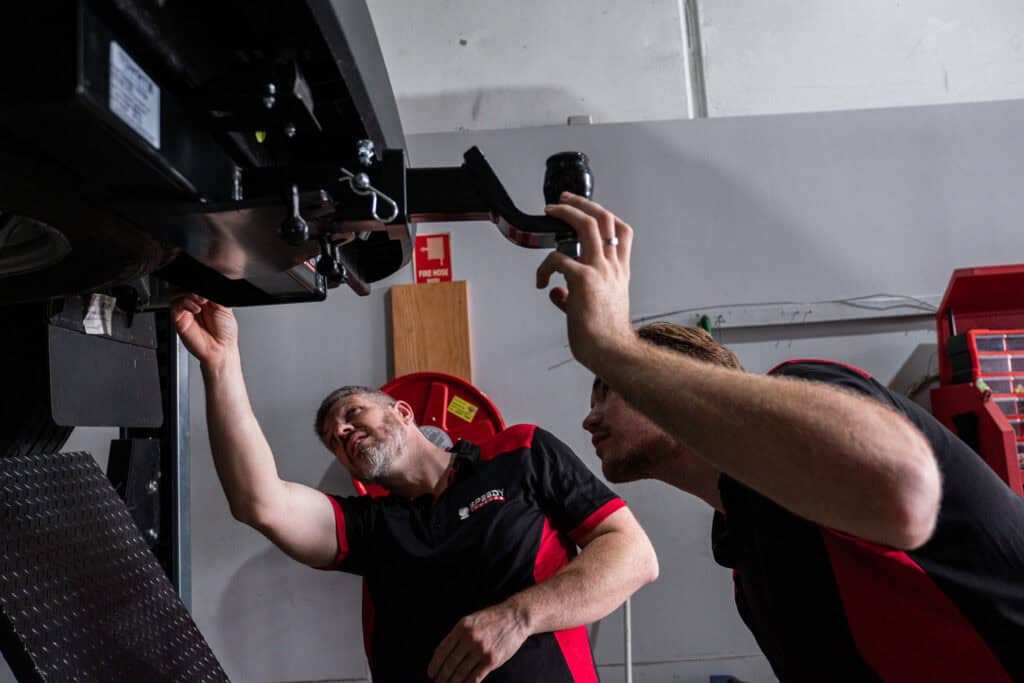
A pre-towing inspection will give you peace of mind before you hit the road. It should include:
- The Towbar and Hitch– must be properly attached and secure.
- Towball – Check that towball or vehicle attachment is tight before towing.
- Brakes and Lights –should be in working order. Check your trailer brake lights, indicators and connections. Ensure Brake controllers and other safety features such as Electronic stability control are active and connected.
- Tyres- on both the towing vehicle and trailer should be at the right pressure and in good condition.
- Side Mirrors should be adjusted to account for the trailer’s size. Towing mirrors need to be added if required.
- Safety Chains are an important legal requirement. If your trailer is up to 2500 kg GTM it’s required to have at least one safety chain. If it’s between 2501 kg GTM and 3500 kg, it needs two chains. These chains must be crossed over.
5. Drive Smoothly and Adjust for Towing Conditions
If you’re towing a trailer, a different approach to driving is required to be as safe as possible. You have to be vigilant and far more aware than when you’re driving normally. Here are some tips:
-
- Take it slow: Don’t be in a hurry! Allow for extra stopping distance and avoid sudden acceleration.
- Allow for wider turns: Your trailer will cut corners tighter than your vehicle.
- Brake gradually: Sudden braking can cause your trailer to jack-knife or sway around.
- Be aware of wind and weather conditions: Crosswinds can impact trailer stability. This is particularly important if you’re towing a caravan or any trailer with solid sides that can act as a sail.
- Know Your equipment – Know how to adjust and use safety features of your setup i.e Brake controllers and their manual override and anti-sway systems.
- Rest Often – Allow longer travel time and rest more frequently to help with the extra concentration and vigilance of towing.
6. Understand Road Rules and Towing Laws in Australia
We’re big on rules in Australia, particularly in the motoring industry. They help keep you and everybody else on the road safe! We recommend you familiarise yourself with all the rules associated with towing. Check them out at the National Heavy Vehicle Regulator. If you have any questions, you could always ask a Speedy Towbars team member for guidance on safe towing and the related laws.
If you’re new to towing, some important rules to remember include:
- Trailers over 750kg GTM must have brakes.
- Safety chains are mandatory.
- Some states require towing mirrors for wider trailers.
- Speed limits may differ when towing, so always check state regulations and speed limits.
- Towing and vehicle capacities are not a guide they are the law.
7. Regular Towbar and Trailer Maintenance
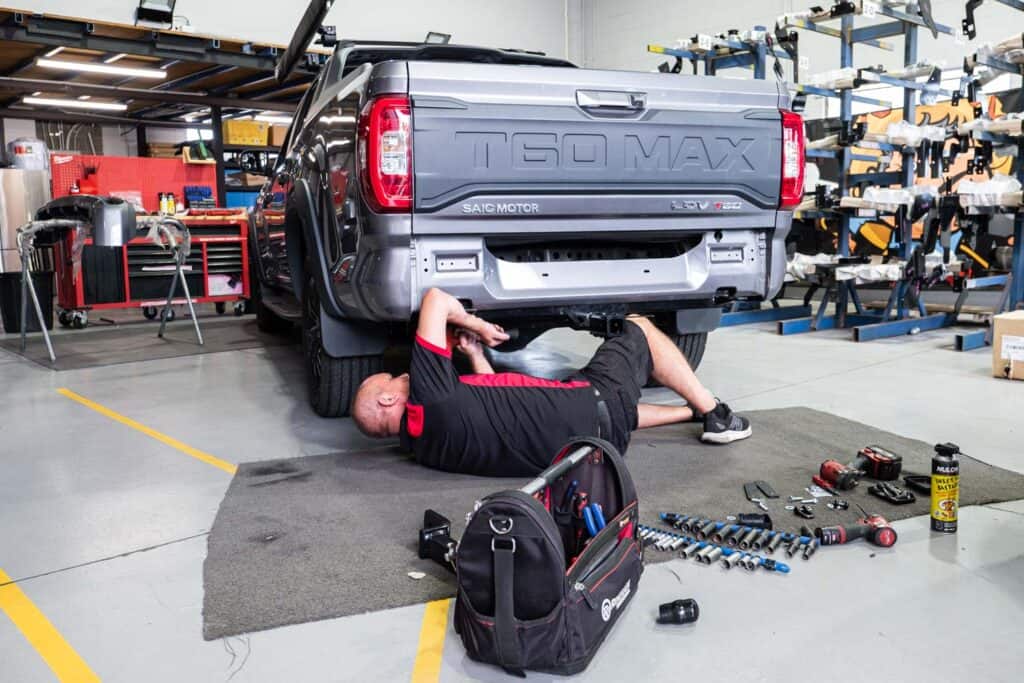
You’ve installed your towbar, now it’s time to look after it! Routine maintenance is essential for towing safety, so be sure to keep your tow kit and your trailer in top condition. You can make use of the maintenance services we offer at Speedy Towbars, and it’s also important to keep on top of the basic day-to-day maintenance yourself. Here’s what you should keep an eye on:
- Towball is tight
- Towbar bolts and connections.
- Trailer brake pads and cables.
- Electrical wiring and connectors.
- Tyre tread and pressure.
- Suspension components.
Get in touch with the Brisbane Towbar Experts
If you follow the safety tips and information above, you’re on the right road to a smooth towing experience. If you’re towing a work trailer or going out on a caravan adventure, you can tow confidently and safely.
If you need a new towbar, or want to upgrade your current setup, head on down to Speedy Towbars. We have branches on both the north and south of Brisbane, and if you can’t make it there our mobile technicians can come to you!
Get in touch today and let’s get you towing!

Jordan is the co-owner of Speedy Towbars and a trusted source of towbar knowledge for Queensland drivers. When he's not installing towbars, he treasures time with his family and hitting the road for caravanning adventures!