
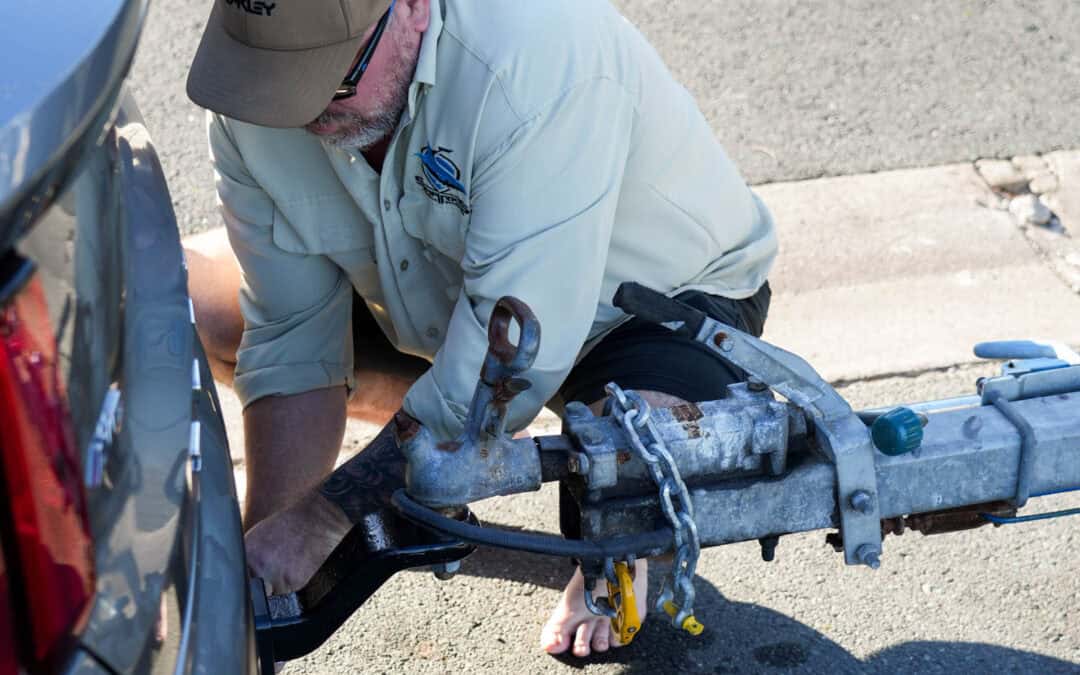
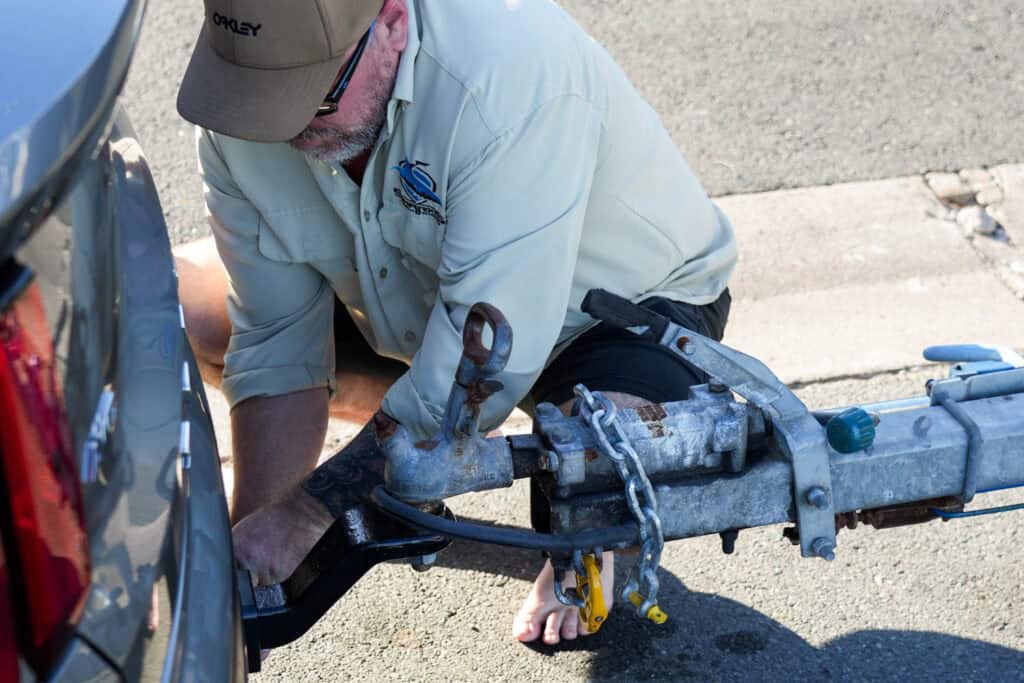
Australian towbars are hardy pieces of automotive gear. They’re rugged and tough and most motorists don’t think twice about them – attach your trailer or bike rack and off you go.
Truth is, as we go through in this article about towbar maintenance, you need to look after your towbar. Part of keeping it in excellent condition is knowing what to look out for. Towbars are like any vehicle part that is exposed to the elements – they suffer from wear and tear.
Today we’re going to take a dive into some common towbar practices you can do to reduce wear and tear and any nasty surprises whilst travelling. Being proactive about these can prevent safety risks down the track – it’s always good to get on top of things early.
Why Towbar Safety Matters
If something isn’t right with your towbar, it can have serious implications. A worn towball can cause a coupler to jump off. Loose bolts can cause damage and serious safety concerns. Rust can weaken the metal, causing cracks and damage to critical components. Faulty wiring could mean your lights aren’t working correctly, and if towing with electric brakes it could result in the electronic brakes and other critical safety systems not operating.
There’s also the legal side. As the driver, you’re responsible for towing safely. This includes making sure the towbar is rated correctly and in good condition. Checking over basic connections and bolts before towing, making sure trailer lights are all operational and working. If something fails and it’s because the towbar wasn’t maintained, you could be held accountable.
Towbar Problems to Keep an Eye Out For
Towbar faults don’t fix themselves, so knowing the early signs makes a big difference.
Worn or Damaged Towbar Tongue
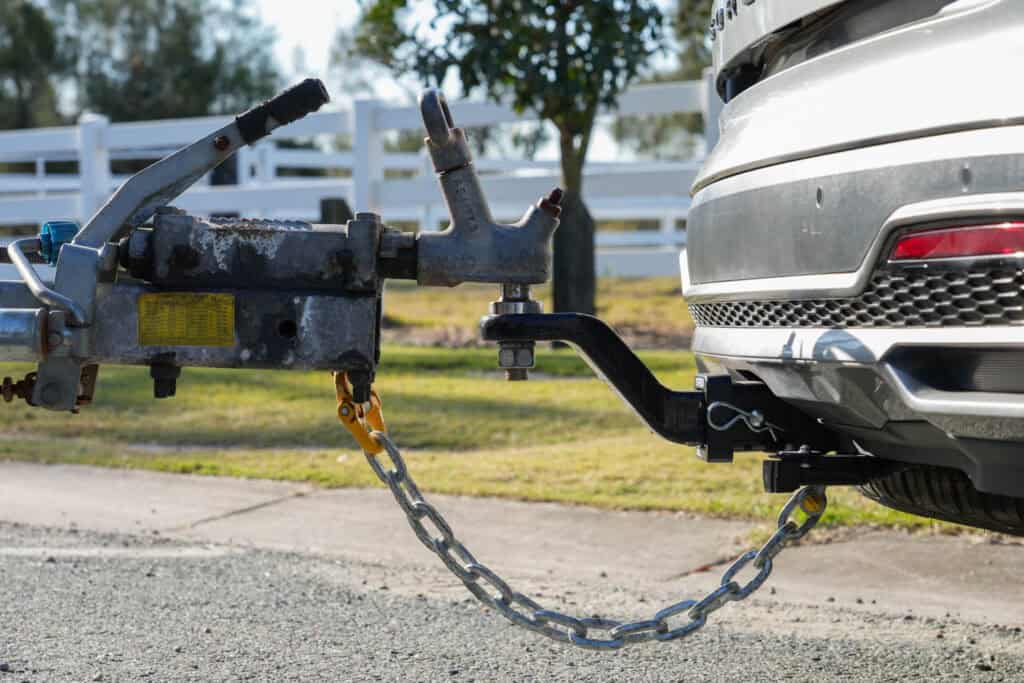
The Ballmount naturally will have some play in the towbar receiver, otherwise inserting and removing the ballmount would be too difficult. Towing heavier loads, especially with bigger drop shanks and weight distribution hitches mixed with adverse driving conditions, can wear down the metal on the ballmount, receiver and pin and clip assembly. Over time this wear creates more movement range, which will progressively get worse, particularly if you regularly encounter adverse driving conditions.
All ballmounts need some play in the towbar receiver – this allows the parts to be taken in and out easily. You’ll find that a simple addition like an anti-rattle shim kit or anti-rattle pins will go a long way to stopping wear and tear on your towing setup.
Loose Bolts and Mounting Points
Towbar bolts are torqued to specific settings when installed. Bolts are designed to be tight and stay tight! However driving, vibrations, wear and tear and tricky driving conditions can cause bolts to loosen. You may hear them rattling or notice movement when you hook up a trailer. Remember, loose bolts are dangerous – they reduce the strength of the towbar and can make it sag or twist.
Don’t assume you can just tighten them by feel – they need to be torqued correctly. The Speedy team is happy to guide you in this. One thing we recommend is getting the bolts checked and re-torqued at your service intervals, as well as performing a visual inspection before towing.
In the inspection, if you see visual marks on the towbar this could be a sign that a washer or bolt has shifted. If you address this straight away it’ll cause you no further problems.
Rust and Corrosion Around the Hitch
If your towbar and vehicle live near the coast or in highly corrosive environments, you may notice rust and corrosion starting around the hitch. If it’s light surface rust, it’s not really a problem. If the rust has gotten deep into the metal though, then it becomes unsafe.
Keep an eye out for pitted metal or flaky rust. If the structure of your towbar is compromised by rust, you shouldn’t use it.
Towbars are powder-coated to protect the metal from rust. However, on moving components like the ballmount and receiver where metal rubs on metal, the powder coating can get worn through. This opens the door to rust and corrosion.
To prevent this from happening, we recommend regularly removing your ballmount and cleaning any dirt, sand and debris from inside the receiver, especially after beach driving or offroading.
Incorrect or Worn Towball
The vast majority of trailers in Australia require a 50mm towball. There are some anomalies though. If you have a 50mm towball installed and it doesn’t fit the trailer, the coupling won’t sit properly.
Towballs also wear down over time. If you see flat spots, chips or polished patches, the ball has been rubbing too much. A worn towball can create excessive rattles and could even slip out of the coupling.
Towballs aren’t overly expensive to replace. If in doubt, swap it out for a new one. At Speedy Towbars we recommend and suggest to our customers that if you are towing regularly to give your Towball a “birthday” and replace it annually.
Electrical Connector Problems
Wiring issues are something you’re almost certainly likely to encounter if you have a long towing career. Flickering lights, indicators stopping, brake lights not working – they all seem to be part and parcel of towing.
It’s not great from a safety perspective, though, so you want to get any lights and wiring problems sorted out fast. Worn plugs or frayed and corroded wiring need to be repaired by a professional who knows what they’re doing.
Check your trailer lights before you travel – in most cases, it’s as simple as a bent pin, a loose or corroded wire or a blown fuse. These can be fixed quickly and easily, helping you avoid fines and the safety risks of driving without properly functioning trailer lights.
Safety Chain Attachment Issues
Chains are your last line of defence if something goes wrong with the coupling. The attachment points are designed to hold the chains and secure your trailer from running away in the event of it uncoupling.
The D-shackle mounts can be damaged if they’re not used correctly. For example, jack-knifing a trailer can pull the chains sideways against the bracket, scraping or bottoming out on driveways can cause impact damage, and using the mounts to recover a stuck vehicle can bend or break them (they’re not designed for recovery work).
If any of these situations occur, it’s important to get your safety chains checked to see they’re still compliant.
Misalignment After a Bump or Accident
Reversing into a tree or post can cause serious damage to your towbar. If the mounting points get bent it could end up being misaligned. It will pull to one side or sit unevenly if this is the case.
Sometimes the misalignment isn’t visible, but you can feel it when you’re towing a load. It’s best to get your towbar inspected if you have any impact on the rear of your vehicle.
When It’s Time to Replace the Towbar
It’s time for a new towbar if:
- The rust is structural
- The receiver is stretched or out of shape
- The mounting points are cracked
- The tongue no longer sits straight
- The towbar is bent or damaged from impact (towbars involved in accidents must always be replaced).
- The tongue can no longer be removed from the receiver (rusted in).
A new towbar after an accident or prolonged use and ever-growing damage gives peace of mind. It also makes towing smoother and safer. You know exactly what you’re working with.
How Speedy Towbars Can Help
The best thing to do before heading out to tackle your next great Aussie adventure is to get your setup checked out. This is especially important if you are purchasing a second-hand vehicle that is already set up to tow. You want the peace of mind that the setup is reliable before you head off.
At Speedy Towbars, we see everything from worn parts to old towbars that were poorly installed. We can tell you if your towbar isn’t safe, detailing what needs repairing and what else you can do to keep your setup safe.
If it needs replacing, we’ll recommend the right towbar for your setup. Every towbar we install meets Australian Standards and is fitted correctly from the start.
Get in touch with our team today to book a towbar check! We want you towing safely and confidently and we’re happy to answer any questions you might have. We have branches in Everton Hills and Slacks Creek, covering both the northside and southside of Brisbane. See you soon.

Jordan is the co-owner of Speedy Towbars and a trusted source of towbar knowledge for Queensland drivers. When he's not installing towbars, he treasures time with his family and hitting the road for caravanning adventures!