

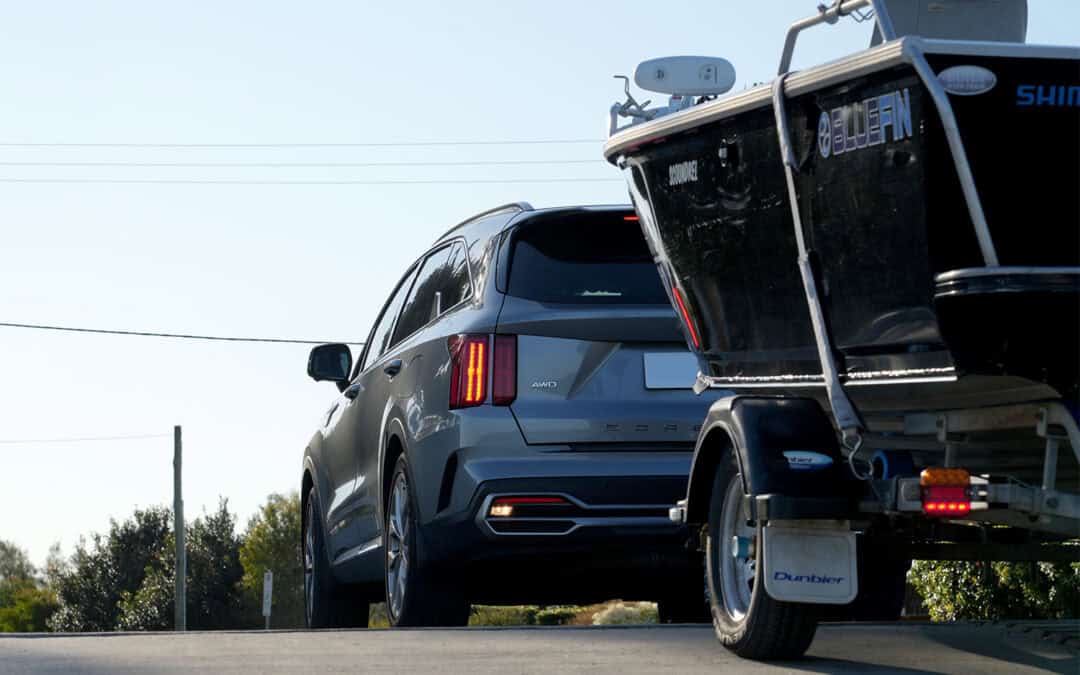
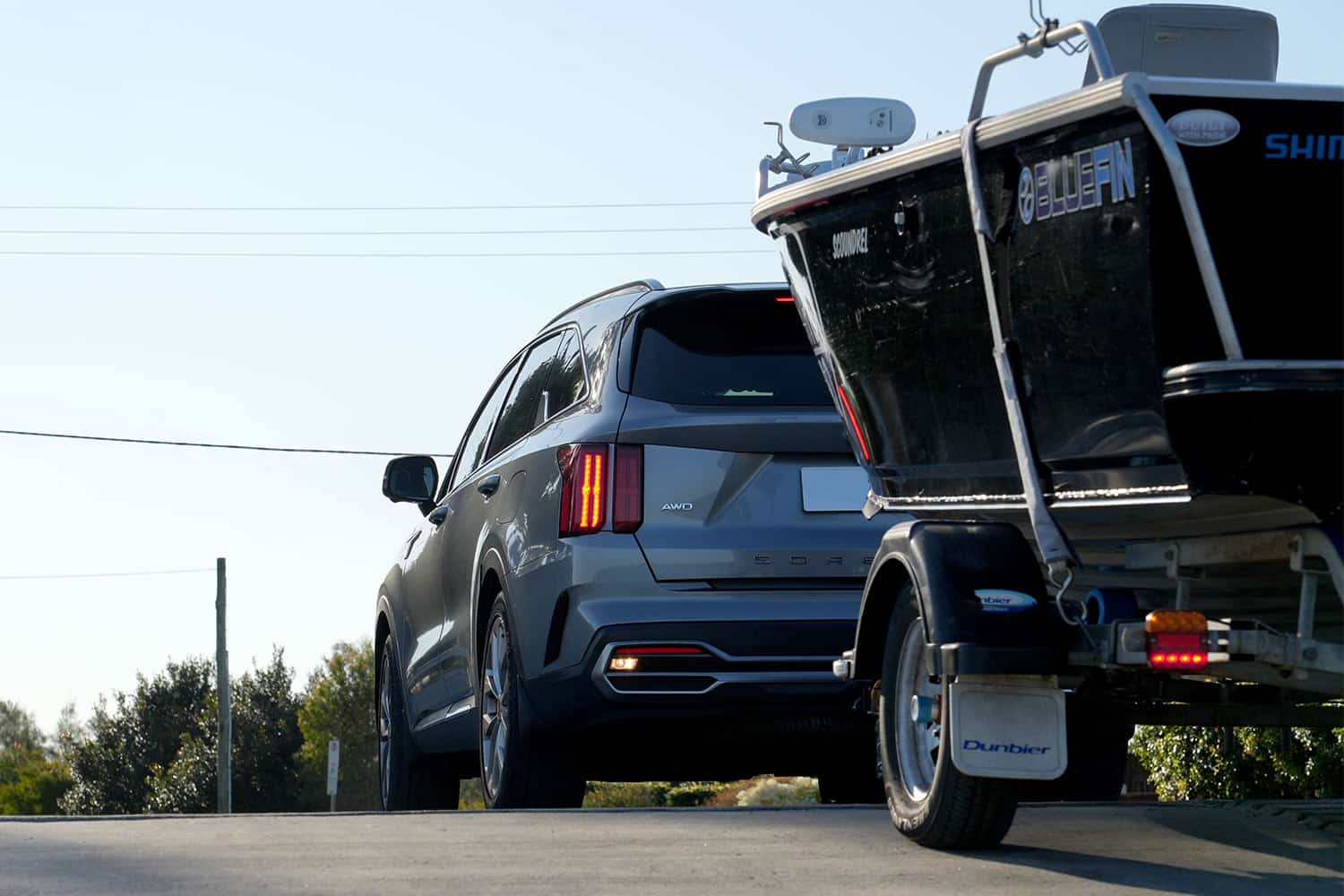
Trailer wiring is a cornerstone of any towing setup. It’s important for towing safely and ensures safety for other drivers on the road.
Steel, nuts and bolts are simple and robust and they can handle the weather and general wear and tear like it’s meant to. Although your trailer wiring is no slouch, it is much more prone to fatigue or failure due to exposure to water, dust, vibration and constant movement.
This means that things will go wrong at some point.
When they do, you know about it. Lights don’t work, brake controllers fail, unexplained dashboard alerts – frustrating episodes that can really take the shine off your trip. Also, let’s not forget the fact that without working trailer lights, you are opening the door to a fine.
Why is trailer wiring such a common failure point? Today we’re going to look at what it does, why it fails and how to minimise faults.
What Does Trailer Wiring Do?
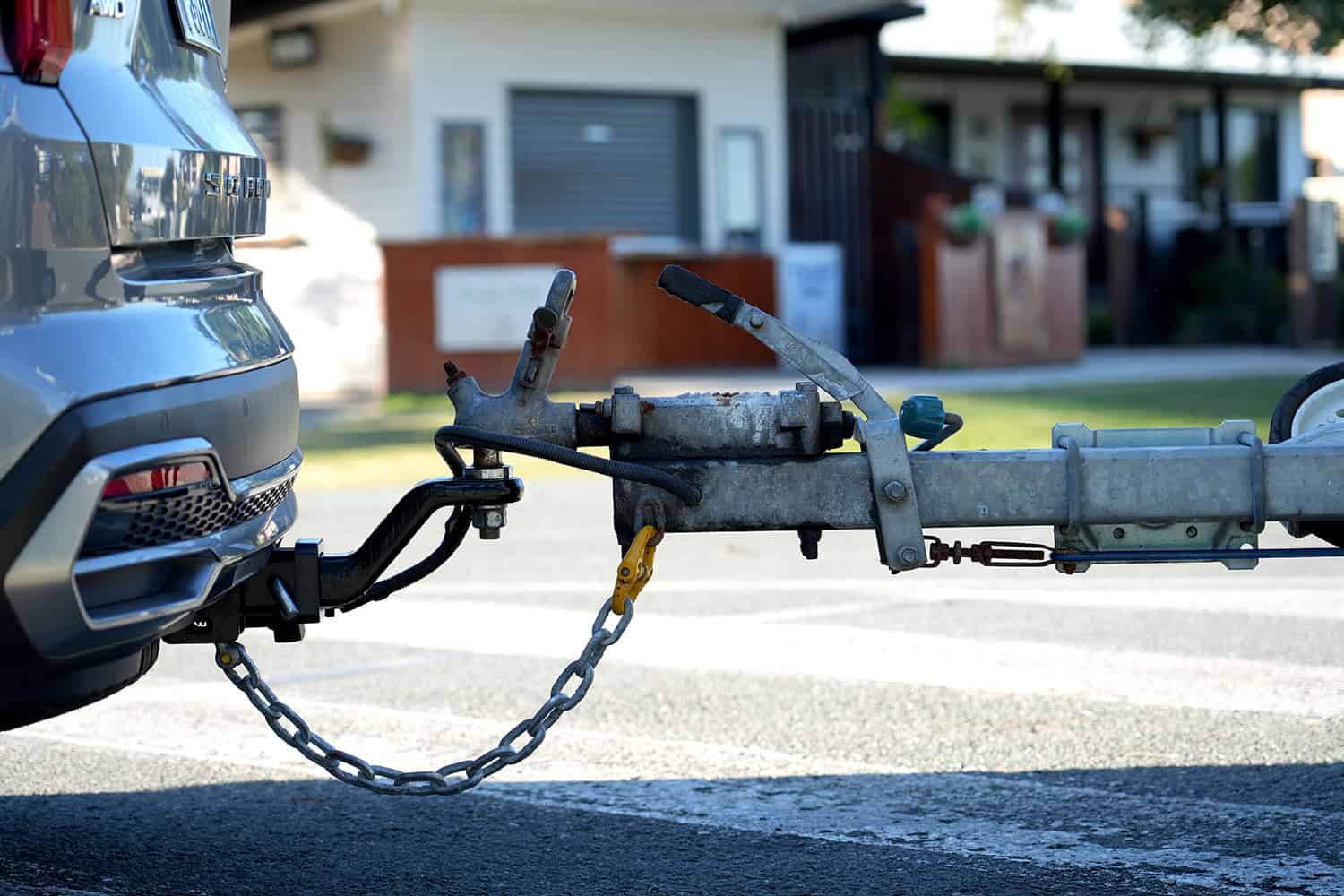
Trailer wiring is the electrical harness system linking your trailer and the towing vehicle. It powers the brake lights, indicators, and tail lights, so your intentions are visible to other drivers. It carries signals for electric trailer brakes so that the electric brake controller can apply and regulate braking force. It also ties into fault-monitoring systems, electronic stability control, and, depending on your setup, various 12V power systems in your trailer or caravan, such as fridges, battery chargers, and anti-sway systems.
These are incredibly important functions – nobody wants to lose their brakes when they’re out there towing. Also, nobody wants hot beer in the fridge when they arrive at their campsite, and nobody wants a fine to start their holiday! When things go wrong with the trailer wiring, the consequences can range from frustrating to downright dangerous.
Here’s why these faults happen.
Why Does Trailer Wiring Fail?
Exposure to Harsh Conditions
When you’re out on the road, trailer wiring takes a lot of punishment. Plugs and connectors may be exposed to rain, road spray, water crossings, dust and mud, rocks and sticks. In coastal areas, saltwater and salt buildup can seep into these connections.
Even when your trailer is parked up at home in between trips, corrosion can be quietly developing. Mud, grime and spider webs can also take hold in hard-to-clean spots, disrupting sensors and wiring.
Ageing Components and Past Shortcuts
Many wiring failures are the result of installation choices. Low-quality connectors and poorly sealed joins degrade over time and cause problems down the track.
A compromised earth can also be a failure point – it may pass power but lack consistency. Corrosion and grime buildup will only make this worse.
Insulation can harden and crack over time, and copper conductors can corrode internally
Using higher-quality components and getting them professionally installed will help reduce electrical wiring faults over the lifetime of a trailer and your towing setup.
Vibration and Mechanical Stress
There’s a lot of movement generated when towing, no matter if it’s on a highway or a bush track. There’s flex in the plugs and shifts in the wires, with the repeat vibrations loosening terminals and damaging insulation.
It’s wear and tear, which is what happens in any driving scenario.
Common Signs of Trailer Wiring Problems
It’s not often you get a full and clean fail of your trailer wiring. Instead, a variety of issues could present themselves, such as:
- Indicators flashing randomly
- Brake lights not working properly
- Brake controller warnings
- Vehicle fault alerts
- Lights failing after rain
- Fault signals that disappear when you disconnect the trailer
- Lights or systems not working in their entirety.
Modern Vehicles and Wiring Faults
We’re not going to harp on about the good old days of simple vehicles that were easy to fix. We love modern vehicles and all the tech goodies they come with!
The truth is, though, on older vehicles, a faulty trailer light rarely affected anything else. With modern vehicles, that’s not the case. Electrical systems are now monitored in real time. If there’s a problem, an entire circuit could be disabled to protect other electronics.
This means wiring issues can escalate faster in a modern vehicle. A minor lighting issue can result in multiple warning messages and disabled safety systems.
It’s time to get it to the towing professionals to take a look.
Faulty Trailer Wiring, Safety and Compliance
Faulty trailer wiring is a massive safety risk. Losing your trailer lights impacts other drivers and their judgment of what you’re doing and what your intentions are. If your trailer brakes are affected, so is your stopping ability and more than likely your stability systems too. Your control is reduced and your ability to safely get from A to B is too.
You’re also breaking the law if you head onto the road with trailer lights that don’t work. And insurance companies will also gladly use faulty electrical equipment as a loophole to avoid settling an insurance claim.
Why Trailer Wiring Problems Often Come Back
A frustrating aspect of trailer wiring faults is how often they return. Corrosion can be internal to a wiring system. You clean or replace a plug or connector and it provides temporary relief, but the full extent of the damage hasn’t been dealt with.
Soon, it reappears. Unfortunately, that’s part and parcel of trailer wiring faults. Getting professionals to isolate the exact causes of the fault and deal with them will stand you in better stead than trying to DIY the problem.
Contact Speedy Towbars for Your Trailer Wiring Installation
Problems tend to start small and worsen over time. One of the keys to avoiding this is to use high-quality trailer wiring installed by a team that knows what they’re doing, as well as some basic preventative maintenance.
When Speedy Towbars installs your towing setup, it includes trailer wiring that comes with a lifetime warranty. Designed for Australian conditions, you’ll have a tough-as-nails connection between your car electrics and those of your trailer.
And, if it ever gives you problems, you get in touch and we’ll remedy it with minimal headaches. We’re here to make your towing experiences as safe and enjoyable as possible!
Book your trailer wiring or towbar installation today.
Basic Trailer Wiring Maintenance
Below are some basic maintenance tips and routines that will go a long way to ensure hassle-free towing.
- Test trailer wiring before each journey (ideally before you set off on holiday)
- Clean the trailer plug and connectors regularly. Use a contact cleaner or water repellent (WD40 or other anti-corrosion sprays). This will stop water, dust and dirt from getting in and sticking to the connections and plugs.
- Check trailer wiring on both the trailer and the vehicle for visible wear or damage (look for breaks in the casing or conduit, and physical damage to the plugs and connectors).
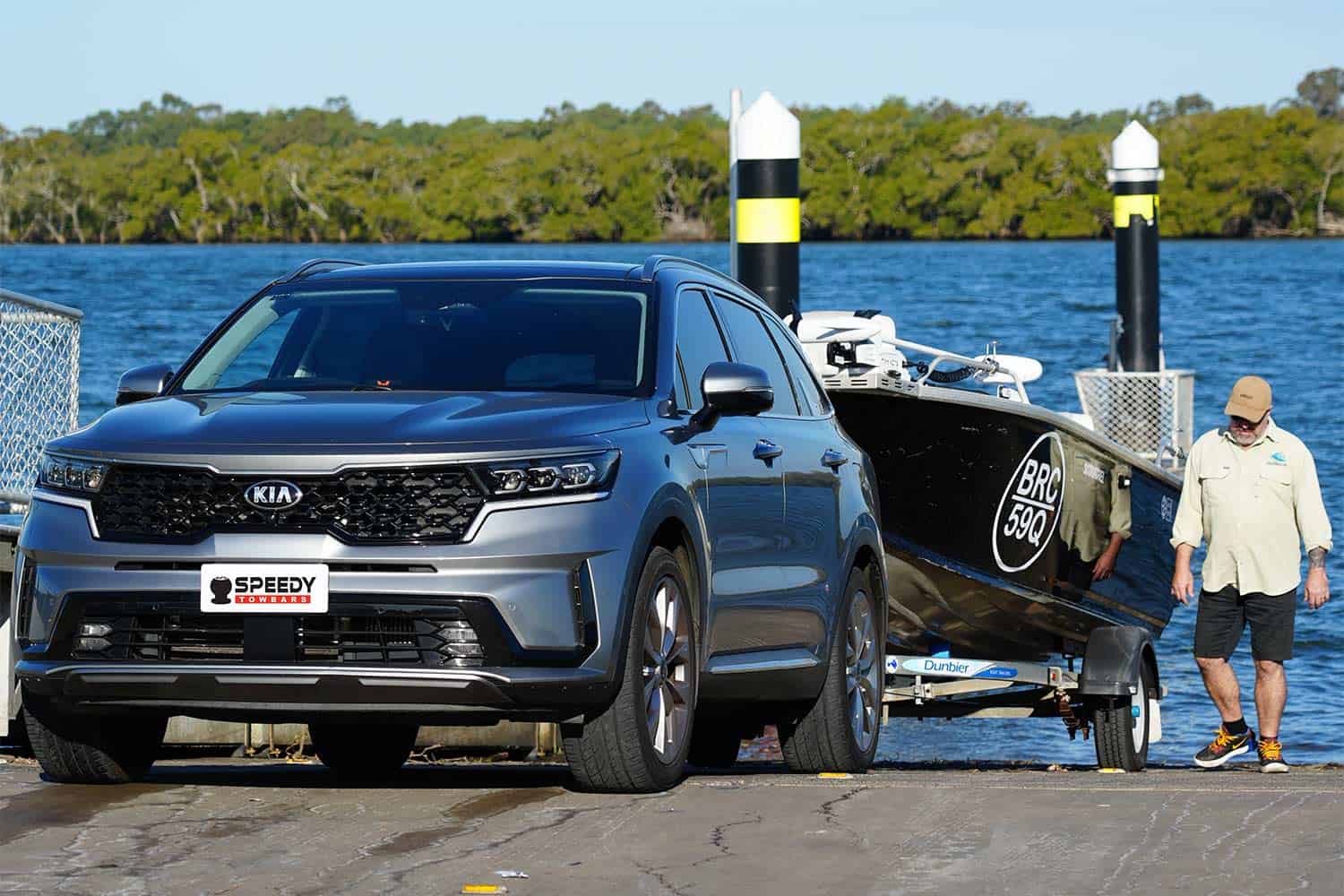
- Control exposure – where possible, avoid backing your vehicle into water. If it’s necessary to launch your boat or ski, give your plug an immediate flush with fresh water, followed by a spray of WD40.

Jordan is the co-owner of Speedy Towbars and a trusted source of towbar knowledge for Queensland drivers. When he's not installing towbars, he treasures time with his family and hitting the road for caravanning adventures!