

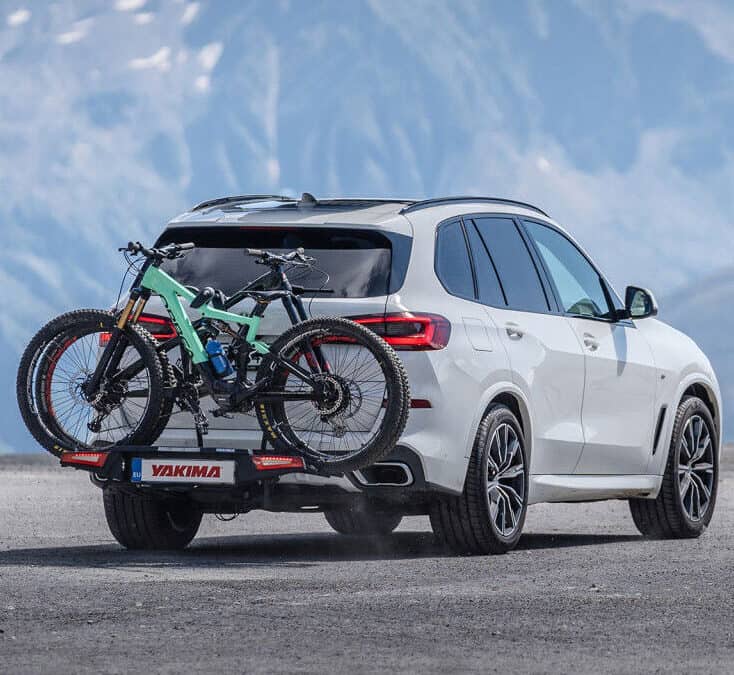
If you’re getting a bike rack for your vehicle, a big choice you’ll need to make is between a towbar-mounted or a roof-mounted bike carrier. They are both perfectly viable options, but one will be better suited to your vehicle, budget and lifestyle. At Speedy Towbars, we’ve helped countless customers streamline their bike transportation – today, we’re going to help you find the best bike carrier for your needs.
A Quick Bike Racks Overview
The towbar or roof are the main options for bike racks, so we’re going to give a quick description of each. If you drive a ute there are also in-tub options to secure your bikes, but those are outside the scope of this article
Towbar bike racks: These mount to a towbar hitch, or the towball, depending on the particular rack, at the back of your vehicle. There are versions for one, two, three or four bikes. There are models solid enough to take on heavier e-bikes too.
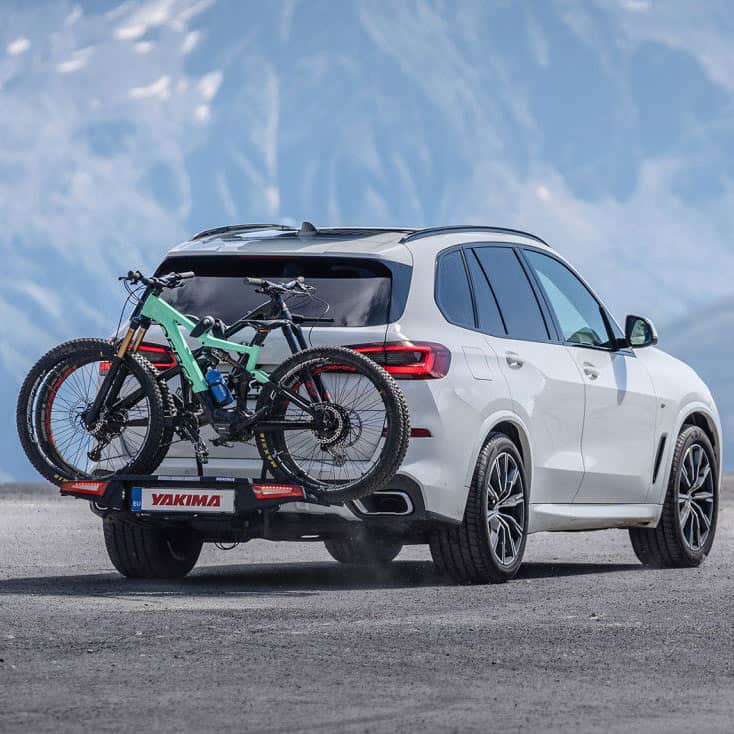
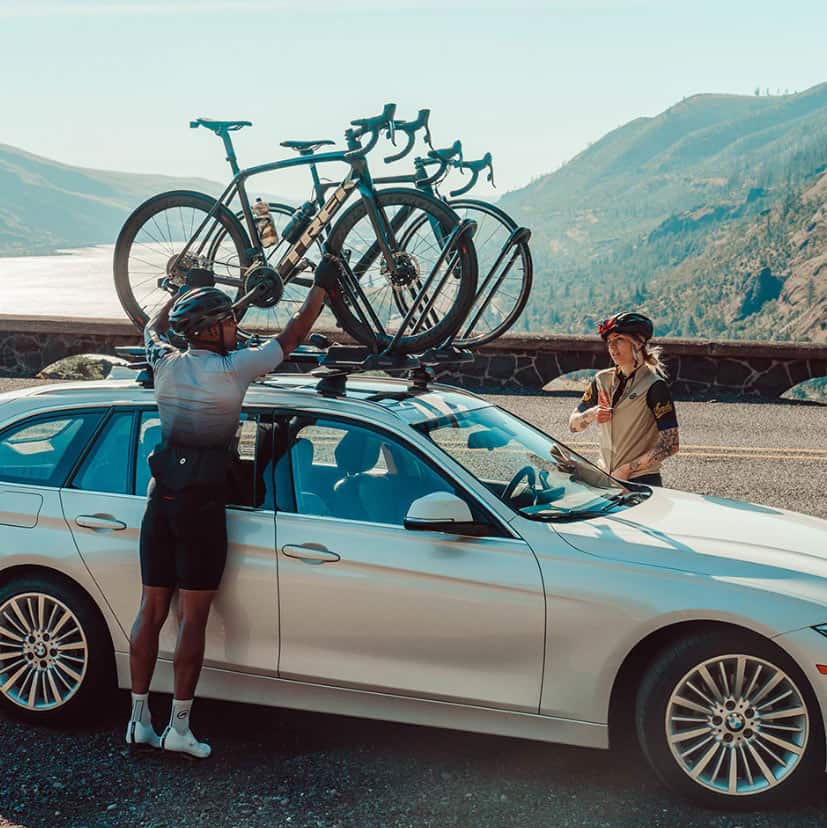
Roof bike racks: These clip onto your roof bars so your bikes sit on top of your vehicle. You have to lift the bikes up there and secure them, which is ok if they aren’t too heavy. These work well on cars without a towbar or when you need fast access to your boot.
Factors to Take into Account
There are some important factors that will play a part in whether a tow bar bike rack or a roof one suits your situation. Let’s take a closer look.
Ease of Use
Lifting anything onto your roof rack can be awkward, but a bike can be especially awkward due to its size. What’s more, the heavier the bike, the harder it is. You should be okay with your lightweight road bike, but an e-bike with a heavy motor will make life difficult. Similarly with fully kitted-out mountain bikes or cruisers. Towbar bike racks sit at waist height, making loading and unloading easier. Bikes don’t need to go above your shoulders; some towbar-mounted carriers have optional loading ramps available, and there’s less stress around balancing the load. For many families, this ease of use tips the scales in their favour.
How Loading Location Affects the Drive
When you add additional external weight to your vehicle, it changes how your car drives. Where that weight sits will determine what those changes look like. With roof bike racks, the weight sits up high. This means:
- Higher centre of gravity
- More wind noise
- More drag on the highway
- Extra caution required in strong crosswinds or windy conditions
- Awareness is also required when driving under overhead structures (remember to dismount the bikes before driving into the garage!)
In contrast, towbar racks keep the load low and central at the rear, which is better for stability, It’s also quieter on the road and generally feels more predictable on long drives. It feels more natural to have a load behind the vehicle than to have it strapped to the roof. 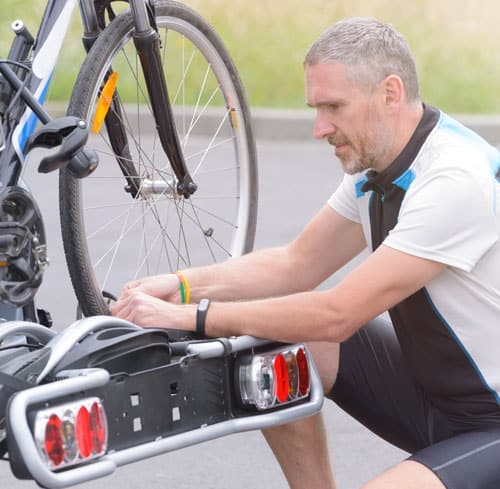
Boot Access
Roof bike racks have a clear advantage here. With your bikes loaded up top, nothing is blocking the boot. You can open the tailgate to load and unload your luggage easily, or get to the spare wheel and tools. Depending on the model, your towbar racks don’t have to block you getting into the boot either. Modern towbar bike racks can tilt or swing away from the car, giving you access even when the bikes are mounted. Additional access can be achieved with the use of a Yakima Backswing accessory. Having access to the boot of your car will depend on the model you choose – if you want absolutely clear access, then the roof bike rack may be the way to go.
Cost and Setup: Not Just the Rack Price
Roof rack-mounted bike racks are lighter – an easier entry point, particularly if your vehicle has roof racks already but doesn’t have a towbar installed yet. Installing a towbar plus the towbar bike rack is likely to be more expensive. However, we feel you will get more value from this setup, particularly if you use the rack every weekend. Regularly loading and unloading your bikes onto the roof, and then remembering to adjust your driving to account for the extra height, will get tiring after a while and runs a higher risk of damaging your vehicle. The cost you’ve saved suddenly looks less appealing! If you’re on the fence, remember you can use your towbar for many other purposes down the track, from towing boats to caravans and camping trailers. It’s your perfect weekend companion.
Which Bike Rack is Better Suited for Everyday Use?
When it comes to everyday use, let’s break it down in practical terms:
- Roof bike racks are fine if:
- You’re not riding often
- Your vehicle is fitted with roof racks
- You have light Bikes
- You don’t have a towbar
- You want a cheap option.
Towbar bike racks are better if:
- You ride often or with others
- Bikes are anything heavier than lightweight road bikes
- You want fast, easy, back-of-vehicle loading
- You don’t want mud and rocks falling off your bike onto the roof of your car
- Stability and drive comfort matter
Many Aussie drivers, particularly since the e-bike boom, the towbar bike rack feels easier on the day-to-day. It’s a seamless setup that won’t feel like a gym session!
Confidence and Safety in the Real World
 Whatever bike rack you choose, it should securely hold your bikes so you can drive to your destination with confidence. If loading is easy, you’re less likely to make mistakes – so go for the option that makes you less rushed or less likely to compromise on how the bikes are mounted. Safety is the most important thing on the road.
Speedy Towbars Bike Rack Recommendations
The Speedy Towbars online store stocks bike racks for shipment all across Australia. We’re big fans of the Yakima and BuzzRack carriers – here are a few models you can find in our store that we would recommend: Towbar Bike Racks: FoldClick Evo 3 Four Timer Hitch Bike Rack Eazzy 4 E-Scorpion Roof Bike Rack: ForkChop WheelHouse Single Wheel Rooftop Mount
Contact Speedy With Your Bike Rack Questions
As always, the Speedy Towbars team is here to answer all your towbar-related questions. We know that bikes are a big part of your adventure plans in Queensland – it’s important to us that you transport yours safely! Whether you go for a towbar bike rack or a roof-mounted one, we want it to be safe and easy to use. Let’s chat today about the right options for you.

Jordan is the co-owner of Speedy Towbars and a trusted source of towbar knowledge for Queensland drivers. When he's not installing towbars, he treasures time with his family and hitting the road for caravanning adventures!