


Towing safety is highly dependent on a capable towbar – one that’s rated to tow the weight of the load you’ve hitched up behind you.
Nothing worse than hitting the road and feeling that something is off with your towing setup. Maybe you’ve noticed the vehicle is sitting lower than it should at the back, or the trailer is swaying more than usual. The handling isn’t quite right – braking is slower, the steering is struggling.
That uncomfortable feeling likely means your towbar isn’t rated for what you’re towing. It doesn’t simply make driving tricky, it’s a big towing safety risk too.
If you ever have questions about towing safety, you’re welcome to get in touch with the Speedy team anytime. In the meantime, here are seven signs that indicate your towbar isn’t rated for what you’re towing.
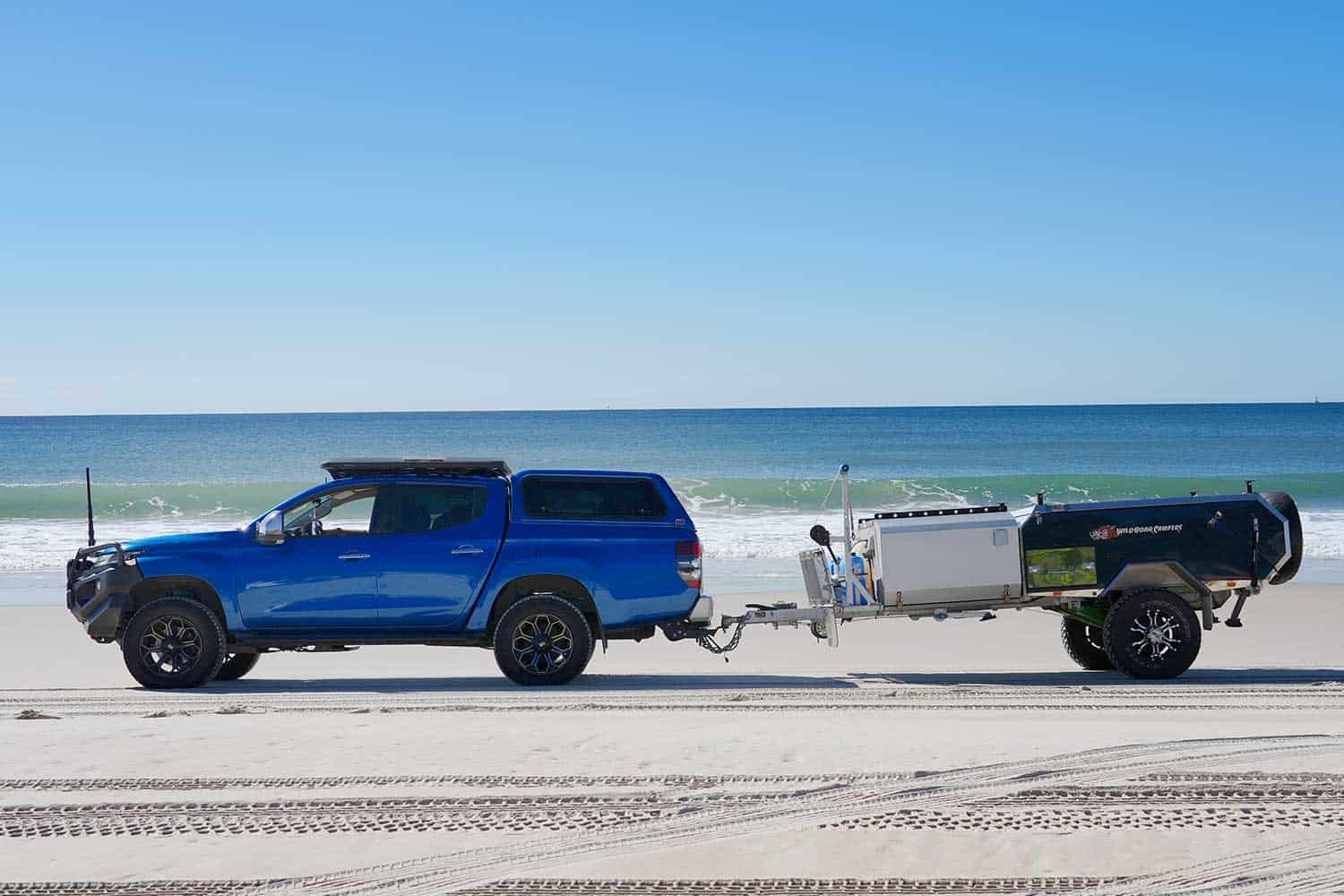
How To Tell Your Load is too Heavy
1. Sagging at the back of the vehicle
When you connect a caravan or trailer, it’s normal for the rear of the vehicle to sit slightly lower. However, if the back of the vehicle noticeably sags, it may indicate that the trailer’s tow ball weight or overall load exceeds the rated capacity of your vehicle or towing setup. Excessive rear sag can negatively affect steering, braking, and vehicle stability. If you notice significant sagging, check your vehicle and trailer weights to ensure they are within the manufacturer’s specified limits.
2. Trailer sway at speed
There’s always going to be a bit of movement in your trailer. A strong gust of wind or a truck overtaking will do it – but if you’ve got persistent sway that verges on feeling out of control, it could be a mismatch between your towbar capacity and what your trailer weighs. Trailer sway is risky – consider this the most dangerous sign on this list. It can lead to jackknifing, which can have serious consequences at speed. Don’t wait to get this checked out. Get in touch with Speedy today if you have any concerns at all.
3. Strange sounds when towing
When you set off, can you hear weird groaning, clunking or scraping sounds coming from your towbar? Those shouldn’t be happening. They’re indicating something is under more strain than it’s designed for. Definitely get the sounds checked out before you go on a long trip.
4. Slow or spongy braking
Towing is going to affect your braking distance regardless. Even with your electric brake controller set up properly, you’re adding a big weight to your setup that will naturally affect your braking. But if it feels noticeably slower or softer than it should, it can mean the combined weight of your car and trailer exceeds the ability of your setup to stop within a safe distance.
5. No compliance plate or rating label on the towbar
Can’t find a compliance plate on your towbar? That’s worth following up on. Every properly fitted towbar should have one that states the rated capacity and confirms it meets ADR62. If the plate is missing or doesn’t match what you’re towing, it’s a red flag.
6. Visible wear and tear at the mounting points
Get under the back of your vehicle and have a look where the towbar bolts to the chassis. Is there cracked paint, surface rust or visible stress marks? These are all signs the towbar’s working harder than it’s built for. They won’t happen overnight, so if you spot them the problem has been building up for a while.
7. Towbar fitted for a different vehicle or a previous owner’s trailer
This one’s common with secondhand and older cars. The towbar might have been fitted years ago for a different trailer. It could even have been swapped from another vehicle entirely. Just because there’s a towbar on the back of the secondhand vehicle you’re buying, don’t assume it’s rated for what you’re towing now.
Noticed Any of These Signs? Do This.
Get the towbar checked before your next trip. It’s a quick job for our team, and it beats finding out on the road that your setup isn’t up to the job. If it turns out you need a new towbar, we supply and install leading brands like TowRite, manufactured right here in Brisbane. We’ll match it to your vehicle and what you’re going to be towing. Get it installed at one of our workshops in Slacks Creek or Everton Hills.
Towing Capacity FAQs
How do I know my towbar’s rated capacity?
Check the compliance plate on the towbar itself, or check with the manufacturer or installer if you’re not sure.
How do I know my vehicle’s rated capacity?
Refer to your vehicle’s owner’s handbook to confirm its rated capacity. Capacity can vary between different models, variants, and production years, so it’s important to check the specifications for your specific vehicle and always operate within its rated limits.
Can I keep towing if I notice one of these signs?
We’d recommend getting it checked first. Sway and slow braking in particular are safety issues.
Is it worth replacing an old towbar rather than repairing it?
If there’s visible rust, stress damage, or it’s not rated for what you’re towing now, we recommend replacing it. The Speedy team can take a look and advise you.
Does Speedy Towbars check towbars without needing a full install booking?
Yes. You can book in to either of our Brisbane locations and we’ll take a look.

Jordan is the co-owner of Speedy Towbars and a trusted source of towbar knowledge for Queensland drivers. When he's not installing towbars, he treasures time with his family and hitting the road for caravanning adventures!